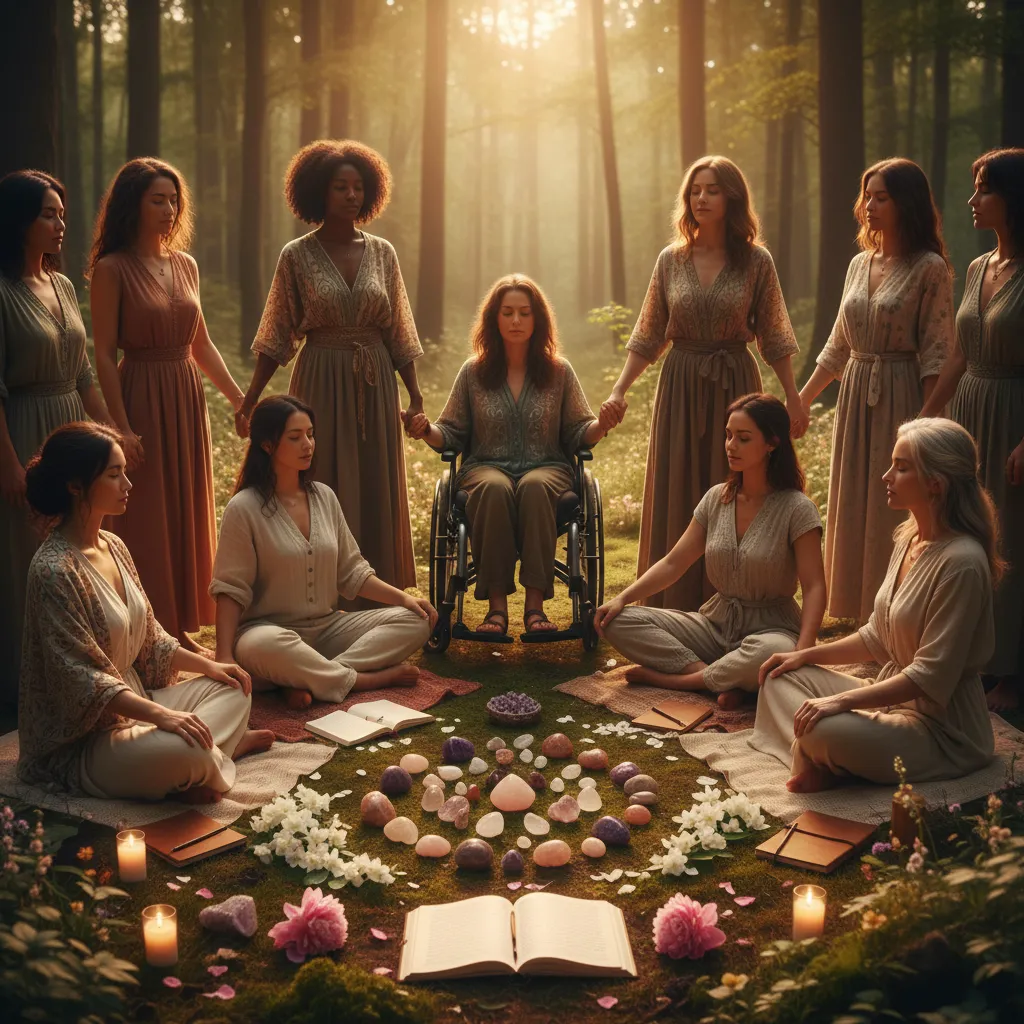
The Power of Rituals: Why They Matter (and What Science Says)
When you hear the word “ritual,” you might picture ancient ceremonies or superstitious routines. But in reality, rituals are simply intentional actions we repeat—often with meaning or purpose. From morning coffee to bedtime routines, rituals are woven into our lives, shaping our days and our well-being.
Still, some naysayers question whether rituals are really beneficial or just “woo-woo.” Let’s explore what the research says—and why embracing rituals can be a powerful tool for self-love, confidence, and growth.
What Are Rituals, Really?
A ritual is any set of actions done regularly, often with intention or symbolism. It can be as simple as lighting a candle before journaling, saying an affirmation, or taking a mindful walk. Rituals are found in every culture and age group, from athletes’ pre-game routines to family holiday traditions.
Rituals and Mental Health: What the Research Shows
1. Rituals Reduce Anxiety and Stress
A 2016 study in the journal Organizational Behavior and Human Decision Processes found that performing rituals—even simple ones—can significantly reduce anxiety before stressful events. The researchers discovered that rituals offer a sense of control and predictability, which helps calm the mind (Norton & Gino, 2014).
2. Rituals Boost Performance and Confidence
Harvard researchers found that athletes and performers who engaged in pre-performance rituals experienced less anxiety and improved performance (Brooks, 2014). The ritual itself, not just the belief in it, made a measurable difference.
3. Rituals Build Connection and Meaning
A 2017 study in Current Directions in Psychological Science highlights that rituals—shared or personal—help build community, foster belonging, and increase the sense of meaning in life (Hobson, Schroeder, Risen, Xygalatas, & Inzlicht, 2017).
Rituals vs. Routines: What’s the Difference?
While routines are practical (like brushing your teeth), rituals add a layer of intention or symbolism. For example, turning tea time into a mindful pause, or starting the day with a gratitude affirmation, transforms a routine into a ritual.
Addressing the Skeptics: The Science Is Clear
Skeptical? You’re not alone! But these findings are published in respected, peer-reviewed journals. If you want to dig deeper, here are some references you can look up:
Norton, M. I., & Gino, F. (2014). Rituals alleviate grieving for loved ones, lovers, and lotteries. Journal of Experimental Psychology: General, 143(1), 266–272.
Brooks, A. W. (2014). Get excited: Reappraising pre-performance anxiety as excitement. Journal of Experimental Psychology: General, 143(3), 1144–1158.
Hobson, N. M., Schroeder, J., Risen, J. L., Xygalatas, D., & Inzlicht, M. (2017). The psychology of rituals: An integrative review and process-based framework. Current Directions in Psychological Science, 26(5), 384–389.
Bringing Rituals Into Your Life
Whether you’re lighting a candle before meditation, writing affirmations in your journal, or sharing a family meal, rituals can bring comfort, clarity, and confidence. They’re not just “woo”—they’re scientifically supported tools for a happier, more connected life.
Ready to create your own ritual? Start small, make it meaningful, and watch the magic unfold.
If you have a favorite ritual, share it in the comments! And if you’re curious to learn more, check out the research above—because your well-being is worth celebrating, one ritual at a time.