The Creator’s Guide to Clean Hands: How to Remove Paint Safely
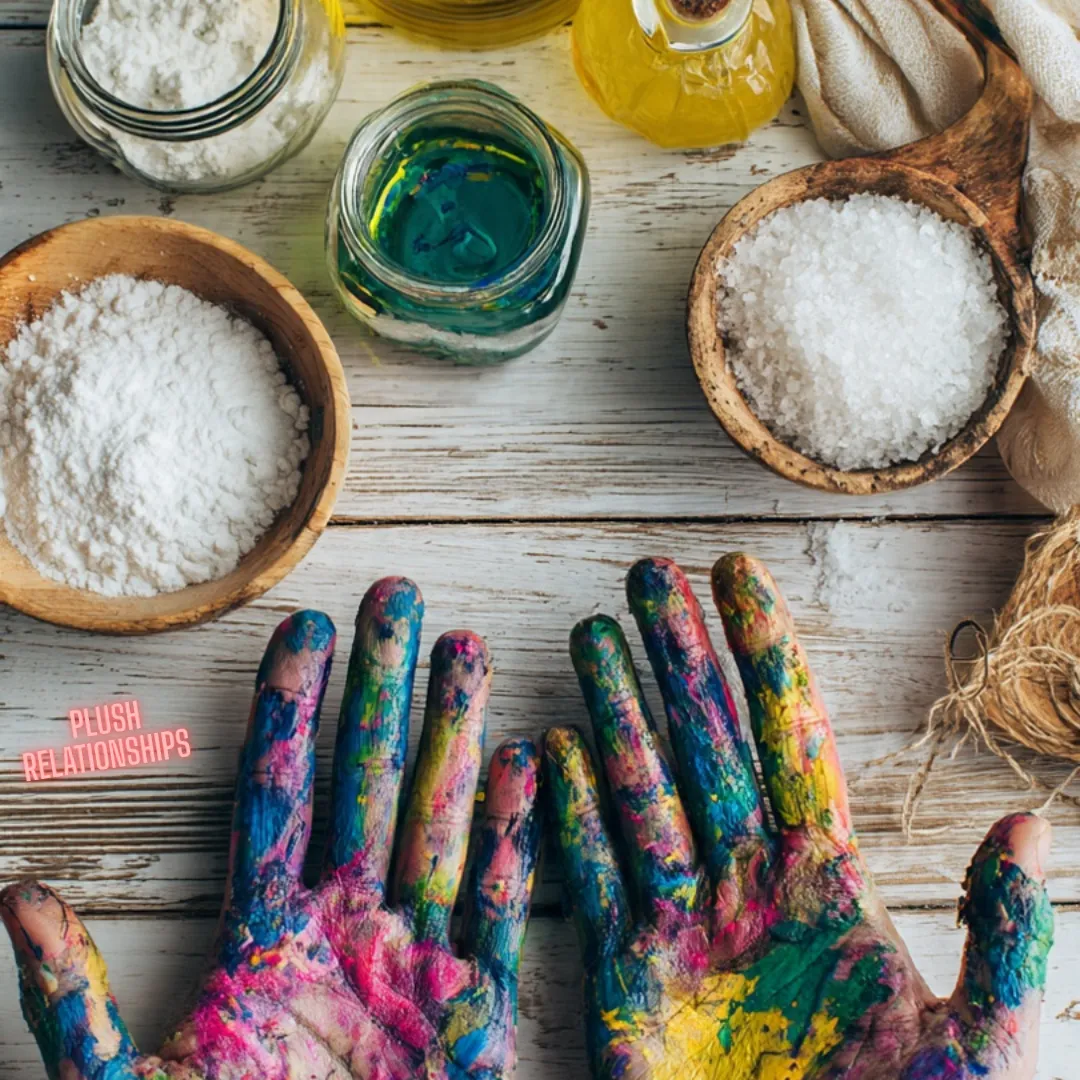
Every artist and creator knows the feeling: the project is finished, the vision has come to life, but your hands are covered in a stubborn "second skin" of paint. Whether you’re working with acrylics, oils, or spray paint, you don't need to resort to harsh chemicals that damage your skin.
Use this guide to clean up like a pro using items you likely already have in your cabinet.
Method 1: The Kitchen Scrub (Best for Oil-Based Paints)
Oil-based paints are notoriously difficult because water alone won't touch them. The secret is the "like dissolves like" principle—breaking down the paint binders with more oil.
Apply: Rub vegetable, olive, or baby oil directly onto dry, painted skin.
Exfoliate: Add a teaspoon of sugar or salt to create a gritty paste.
Scrub: Massage the paste into the stubborn spots until the paint lifts.
Wash: Finish with grease-cutting dish soap and warm water.
Method 2: The Baking Soda Booster (Best for Latex & Acrylic)
Water-based paints dry quickly and can get stuck in the fine lines of your skin. This method lifts them without irritation using natural abrasion.
Mix: Combine equal parts liquid dish soap and baking soda in your palm.
Lather: Rub your hands together vigorously; the baking soda acts as a gentle sander.
Rinse: Use warm water to wash away the grit and the paint.
Method 3: The "Vapor" Trick (For Dried-On Stains)
If the paint has already fully cured and feels like plastic, you need a substance that can seep underneath the layer to break the bond.
Coat: Apply a thick layer of Vicks VapoRub or Petroleum Jelly over the paint.
Wait: Let it sit for 5 minutes to allow the oils and menthol to work.
Wipe: Use a dry cloth to wipe away the softened paint, then wash normally.
The Pro's Secret:
To make cleanup even easier next time, apply a thick layer of heavy hand cream or a "barrier cream" before you start your project. This prevents the paint from bonding to your skin in the first place!